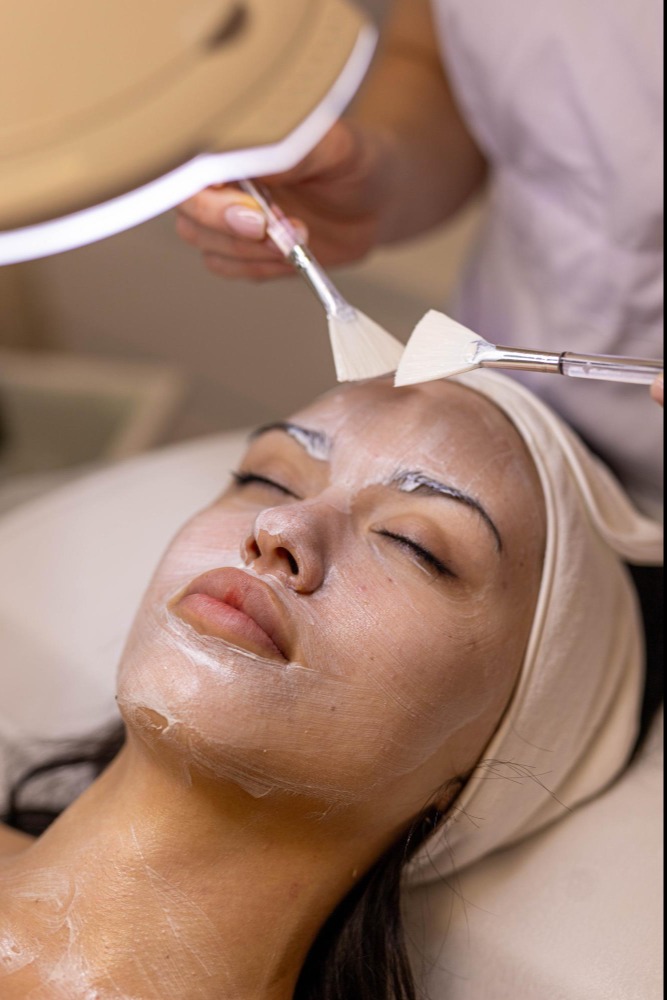
Chemical peels are professional skin treatments in which carefully selected chemical agents are applied to the skin to produce controlled exfoliation. Depending on the formulation and depth, a chemical peel may be considered for concerns such as acne, superficial pigmentation, uneven tone, rough texture, and certain signs of photoageing.
For someone searching for chemical peel treatment in Khanda Colony, the most important point is that not every peel suits every skin type.
The correct treatment depends on the skin concern, sensitivity, medical history, current skincare routine, and depth of treatment required.
Different Peels Have Different Purposes
“Chemical peel” is a broad term rather than a single treatment.
Various agents can be used at different concentrations and depths. Superficial peels generally involve less downtime, while deeper procedures require greater caution and recovery.
A dermatologist may select a peel based on factors such as:
- Active acne
- Post-acne marks
- Superficial pigmentation
- Dull appearance
- Uneven texture
- Oiliness
- Signs of sun damage
The strongest peel is not necessarily the most suitable one.
Chemical Peel Compared With Home Exfoliation
Over-the-counter exfoliating products can be useful as part of a skincare routine, but professional peels use controlled formulations selected for a specific treatment goal.
Increasing the frequency or strength of acids at home does not automatically improve results. Excessive exfoliation can disrupt the skin barrier, causing redness, burning, sensitivity, or worsening pigmentation.
This is particularly important for people already using retinoids, exfoliating acids, acne medication, or other active skincare products.
What Happens After a Peel?
Post-treatment response depends on the type and depth of peel.
Some people experience mild redness, dryness, or light flaking. Other procedures can involve more noticeable peeling.
Patients should resist the temptation to pull away flaking skin. Sun protection is especially important because recently treated skin can be more sensitive.
Your dermatologist may also advise temporarily stopping particular active skincare ingredients.
When Should a Peel Be Postponed?
A professional should assess active infections, open wounds, severe irritation, recent procedures, certain medications, or other conditions before proceeding.
A peel should never be performed simply because an upcoming event is a few days away. Treatment timing needs to allow for the expected skin response.
Choosing the Right Treatment
The Skin Edit Clinic evaluates skin concerns before recommending procedures such as chemical peels. This matters because pigmentation, acne marks, melasma, and uneven texture can look similar to patients while requiring different treatment strategies.
A person seeking brighter skin may require a very different plan from someone managing recurrent acne.
Chemical peels can be useful tools within dermatology, but they work best when selected for a defined indication. Proper assessment, controlled application, sun protection, and suitable aftercare are more important than chasing aggressive peeling.
The goal should be healthier, progressively improved skin rather than visible peeling for its own sake.
Keywords