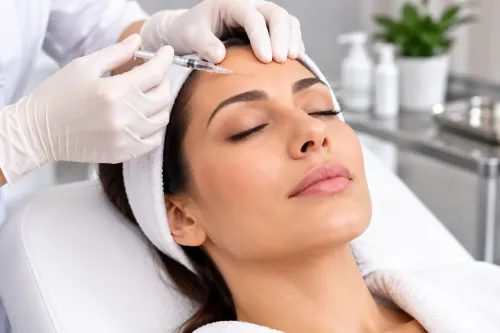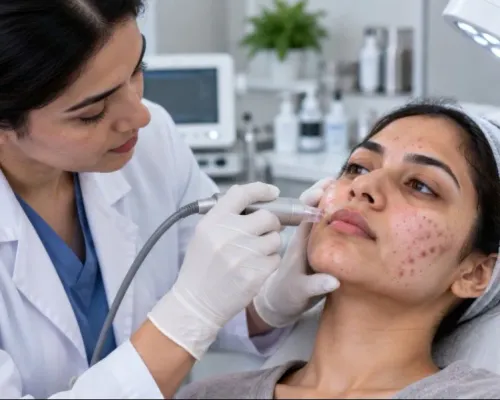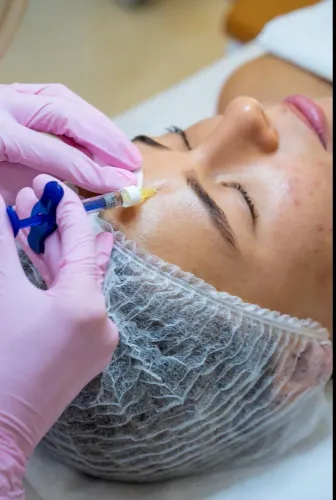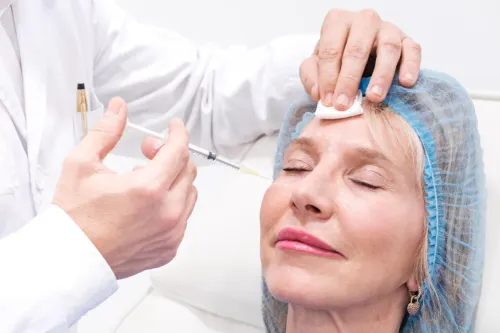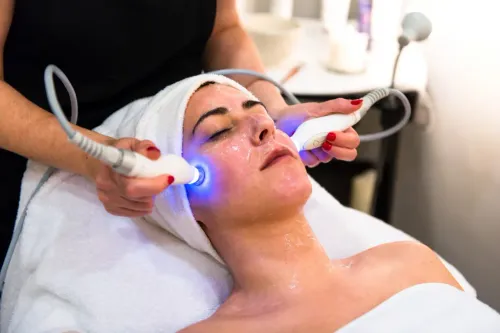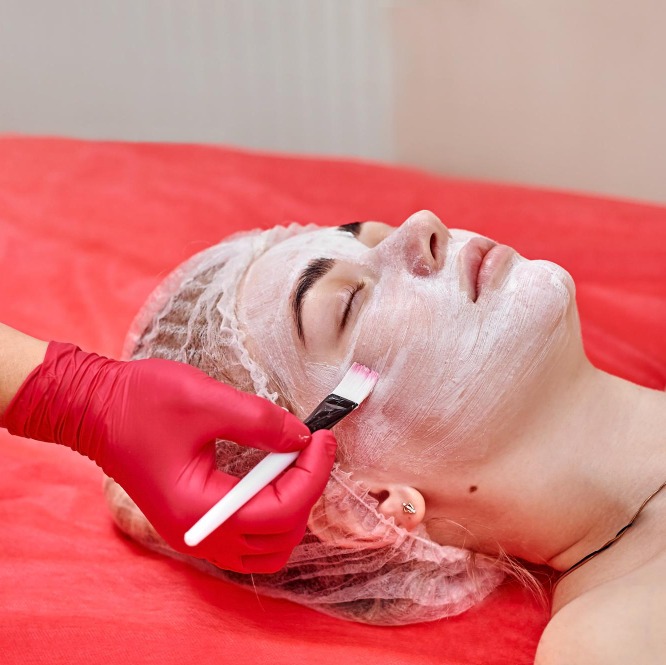
Interest in regenerative therapies has grown within aesthetic medicine as patients increasingly look for treatments intended to support natural biological processes involved in skin quality and rejuvenation.
The term is broad and can refer to different approaches, so patients should avoid assuming that every treatment marketed as “regenerative” has the same evidence, mechanism, or clinical role.
For people exploring aesthetic procedures in Panvel, understanding exactly what is being offered is an important part of making an informed decision.
What Does Regenerative Aesthetic Care Mean?
In aesthetic dermatology, regenerative approaches generally aim to use biological mechanisms to support tissue responses rather than relying solely on immediate cosmetic correction.
PRP is one commonly discussed example. Other technologies and products may also be promoted using regenerative terminology.
Because this is a rapidly evolving area, patients should ask for the specific name of the procedure rather than agreeing to something described only as a “regenerative treatment.”
Ask What Evidence Supports the Procedure
New does not automatically mean better.
Before considering a treatment, ask:
- What exactly is being used?
- What concern is it intended to treat?
- What clinical evidence supports that use?
- Is the treatment appropriate for my skin?
- What are the known risks?
- How much downtime is expected?
- Are multiple sessions required?
- Are there established alternatives?
A professional should be able to explain the procedure in understandable terms without relying on vague claims about “activating” or “renewing” the entire body.
Who May Consider These Treatments?
Suitability depends on the specific procedure.
Some individuals may explore regenerative approaches for skin rejuvenation or selected aesthetic concerns. Others may be better candidates for conventional dermatological treatments.
People with active infections, certain medical conditions, relevant blood disorders, medication considerations, pregnancy, or other contraindications may need to postpone or avoid particular elective procedures.
A proper medical history is therefore essential.
Regenerative Treatment Is Not a Substitute for Diagnosis
Pigmentation, acne, hair loss, scarring, and premature skin changes can have different underlying causes.
Using an advanced procedure without first understanding the condition may delay more appropriate treatment.
For instance, hair loss can occur for multiple reasons. Similarly, pigmentation should be identified correctly before selecting an aesthetic procedure.
Evaluate the Clinic, Not Just the Technology
The availability of sophisticated equipment or a fashionable treatment name does not by itself establish quality.
The Skin Edit Clinic evaluates skin and aesthetic concerns before determining whether a particular procedure may be suitable. Patients considering regenerative care should expect a discussion about alternatives, limitations, treatment frequency, expected recovery, and realistic outcomes.
It is also reasonable to ask who performs the procedure, what hygiene protocols are followed, and what happens if an unexpected reaction occurs.
Regenerative aesthetic medicine is an interesting area of modern skin care, but responsible use requires careful patient selection and evidence-based expectations.
For someone ready to explore treatment, the next step should be a clinical assessment rather than immediately booking the newest procedure. Understanding the concern first makes it easier to determine whether regenerative therapy has a meaningful role or whether a more established dermatological option would be the better choice.
Keywords